
Digital Nomad Reality Check: Dubai vs Thailand vs Bali – 3 Months of Real Experience
I’ve been on a mission to find the perfect digital nomad destination, and instead of just reading about places online, I decided to actually live and work in them for weeks at a time. So far, I’ve tested Dubai (where I’m based), Thailand, and Bali. Here’s what I learned from actually working remotely in each place.
Dubai, UAE: The Expensive Home Base

Where I stayed: I live in Downtown Dubai, but as a nomad experiment I also tried Hatta and Khor Fakkan.
The Reality: Dubai is where I’m based, so I know it inside out. It’s definitely not your typical budget-friendly nomad destination.
Pros:
- World-class infrastructure and internet (especially Downtown)
- Excellent for networking if you’re working with companies in the region
- Safe and very organized
- Great weather ( yes you read it right, even in summer things have changed)
- You can actually expand within the UAE – Hatta and Khor Fakkan are way more affordable and offer a completely different vibe
- Mountain and coastal settings in these alternative locations
Cons:
- Super expensive for accommodation and daily expenses (especially Downtown)
- Not practical as a destination for location-independent nomads on a budget
- Can feel a bit sterile for the nomad lifestyle
- Alternative UAE locations are more limited for coworking/networking
Bottom Line: Dubai works if you’re employed by a company here or making serious money. The UAE nomad visa route with cheaper emirates like Khor Fakkan could be interesting though.
Thailand: The Digital Nomad Sweet Spot

Where I stayed: Bangkok was my main base for working, with trips to other areas for exploring.
The Reality: After spending time here, I can see why Thailand tops so many nomad lists.
Pros:
- Significantly cheaper than both Dubai and Bali
- Great infrastructure for remote work (Bangkok especially)
- Less touristy chaos compared to Bali (especially up north)
- Excellent food and culture
- Northern areas like Chiang Mai are perfect for focused work (based on what I saw while visiting)
- Bangkok has amazing coworking scene and networking opportunities
Cons:
- Can get noisy in certain areas
- Visa runs needed depending on your situation
- Season planning required
- Bangkok can be overwhelming at first
Bottom Line: This felt like the most balanced option. You get good value for money without sacrificing too much comfort or work productivity.
Bali, Indonesia: Beautiful But Challenging
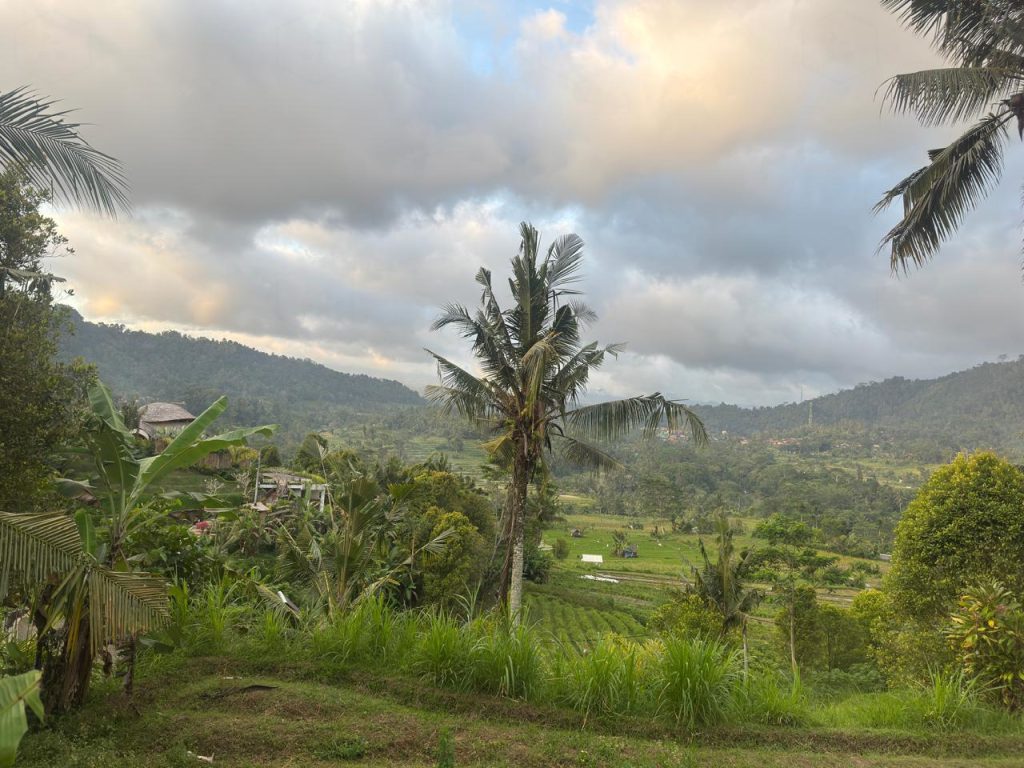
Where I stayed: Mainly in Uluwatu, with visits to Gili Islands.
The Reality: Three weeks in Bali taught me that Instagram doesn’t show the full picture.
Pros:
- Stunning scenery and culture (Uluwatu’s clifftop views are incredible)
- Large nomad community
- Affordable compared to Western countries
- Great coworking spaces in popular areas
- Amazing surf spots if you’re into that
Cons:
- Traffic is absolutely horrible across the island (even getting around Uluwatu)
- You HAVE to learn to ride a motor bike (no choice really)
- More expensive than Thailand
- Extremely touristy – constant tourist activities around you can be distracting
- Gili Islands are too tourist-focused for serious work
- Getting around by car is even worse than scooter
- Uluwatu can feel quite isolated for daily needs
Bottom Line: Bali looks amazing but the practical reality of living and working there daily is tougher than expected. The traffic alone is a productivity killer.
My Current Ranking
- Thailand – Best balance of cost, infrastructure, and work environment
- Dubai/UAE – If money isn’t an issue and you’re working regionally
- Bali – Beautiful but more challenging for actual productivity
What’s Next?
This is just the beginning of my nomad destination research. I’m planning to test more locations and will keep sharing real experiences rather than just pretty photos.
The key lesson so far? Actually staying and working somewhere for weeks gives you a completely different perspective than a vacation or what you see online. Traffic, daily costs, and work distractions matter way more than you’d think.
